Let’s be honest — when someone says “AI therapy,” you probably picture a robotic voice. In 2026, that’s outdated. Mental health support is strained. WHO says depression is a leading disability cause worldwide. AI tools for mental health have evolved from gimmicks to genuinely useful companions. Many are free.
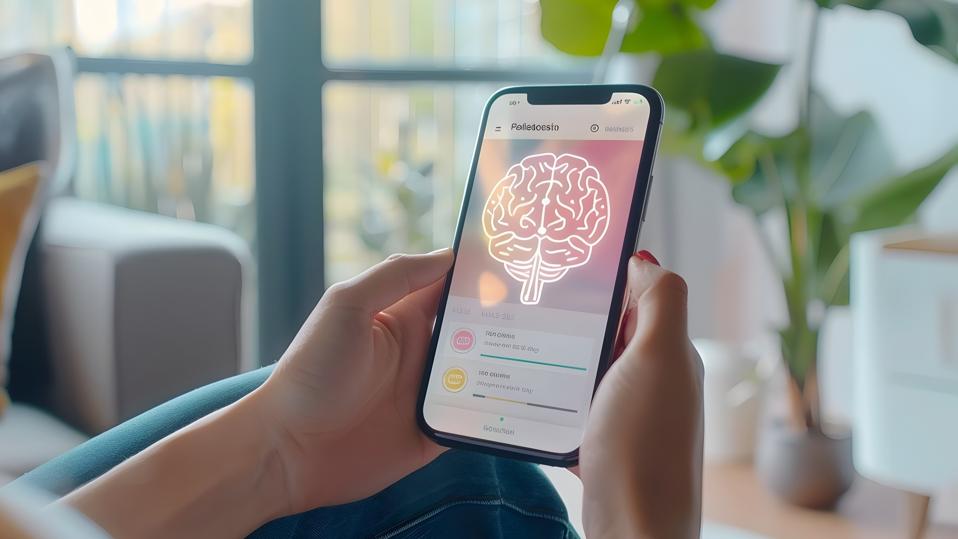
What Makes AI Helpful?
JMIR Mental Health research shows effective AI uses CBT/DBT frameworks, personalizes over time, and offers low-friction access.
Top Free Tools in 2026
1. Woebot
CBT chatbot that tracks moods, helps reframe negative thinking. Studies show symptom reduction in 2 weeks.
2. Wysa
CBT + DBT + meditation. Backed by 30+ studies. Used by UK NHS. Free version covers anxiety, sleep, stress.

3. Youper
Emotional granularity focus. Helps label specific emotions — backed by research showing labeling reduces intensity.
4. Replika
AI companion for loneliness. 2023 study showed reduced suicidal ideation. Judgment-free space for practice.
Mindfulness Tools
5. Medito
Free, open-source meditation with AI recommendations. Pairs well with AI Fitness Guide.

Common Questions
Can AI really understand emotions?
It detects emotional cues via NLP. Doesn’t “feel” but acts on patterns clinicians would recognize.
Are these tools private?
HIPAA/GDPR compliant options exist. Check policies. Avoid apps sharing with advertisers.
Will AI replace therapists?
No. AI excels at maintenance and early intervention. Professional care remains irreplaceable for serious conditions.
Wellness Connection
Mental health connects to fitness, finance, learning. See AI personal finance and AI learning tools.

First Week Plan
- Day 1-2: Download Woebot or Wysa, explore
- Day 3-4: Track mood consistently
- Day 5: Try Medito for 5 minutes
- Day 6-7: Review patterns
Beyond 2026
Multimodal AI analyzing voice, face, and text. Wearable integration. The real revolution is access — 24/7 dignified first steps for millions.